
Complex Post-Traumatic Stress Disorder (CPTSD) is a psychological condition that can develop in response to prolonged, repeated trauma, particularly in situations where the individual feels trapped or powerless. It is often associated with experiences such as childhood abuse, neglect, or living in a war zone.
CPTSD shares many symptoms with PTSD, such as flashbacks, nightmares, and severe anxiety. However, CPTSD is distinguished by additional symptoms that affect a person’s emotional and relational well-being, such as difficulty regulating emotions, negative self-perception, and problems with relationships and trust.
Treatment for CPTSD often involves therapy, such as cognitive behavioral therapy (CBT) or eye movement desensitization and reprocessing (EMDR), to help individuals process their traumatic experiences and develop coping mechanisms.
There is some evidence to suggest that the chronic stress and emotional dysregulation associated with Complex Post-Traumatic Stress Disorder (CPTSD) may contribute to the development or exacerbation of fibromyalgia symptoms in some individuals.
Fibromyalgia is a complex chronic pain condition that is influenced by a variety of factors, including genetics, physical health, and psychological well-being. While the exact relationship between CPTSD and fibromyalgia is not fully understood, it is believed that the stress and trauma associated with CPTSD can lead to changes in the body’s stress response system, which may in turn contribute to the development of fibromyalgia symptoms.
Additionally, individuals with CPTSD may be more likely to experience other conditions, such as depression, anxiety, and sleep disturbances, which are common in fibromyalgia patients and can contribute to the perception of pain and other symptoms.
It’s important to note that not everyone with CPTSD will develop fibromyalgia, and the relationship between the two conditions is complex and not fully understood. Treatment for both conditions often involves a multidisciplinary approach that addresses both the physical and psychological aspects of the disorders.

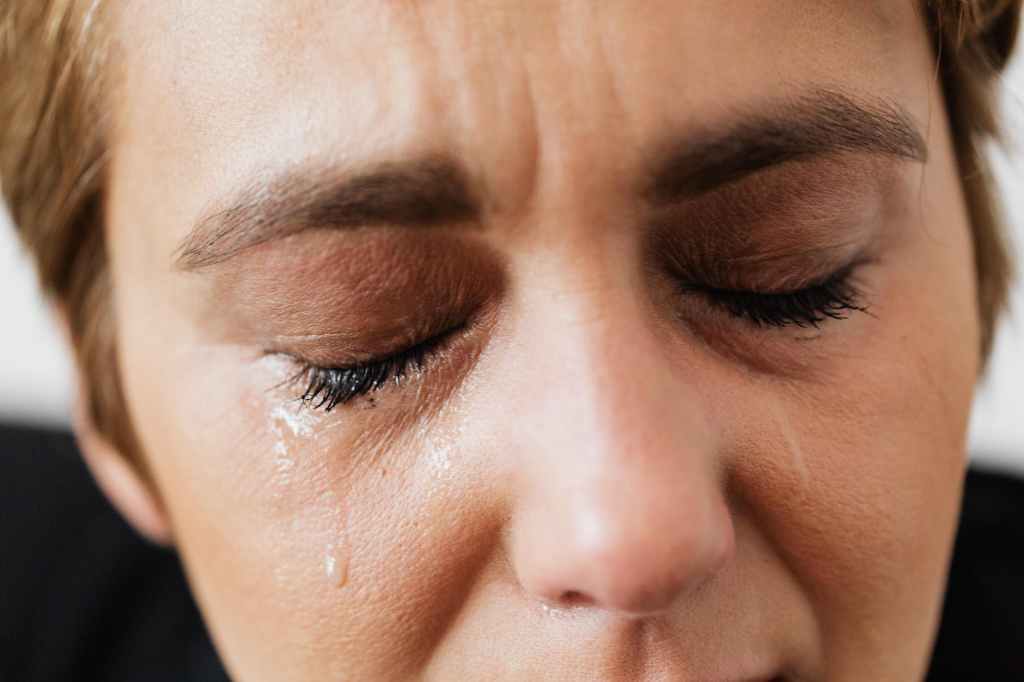


 The pain is real!
Leave a comment