
Menstruation can affect fibromyalgia symptoms in some individuals. Many women with fibromyalgia report worsening of symptoms such as pain, fatigue, and mood changes during their menstrual periods. This could be due to hormonal changes, particularly fluctuations in estrogen and progesterone levels, which can influence pain perception and sensitivity.
Research on the specific relationship between menstruation and fibromyalgia is limited and findings are mixed. Some studies suggest that women with fibromyalgia may experience more severe menstrual symptoms compared to women without the condition. However, more research is needed to fully understand the mechanisms underlying this relationship.
Managing fibromyalgia symptoms during menstruation can include strategies such as:
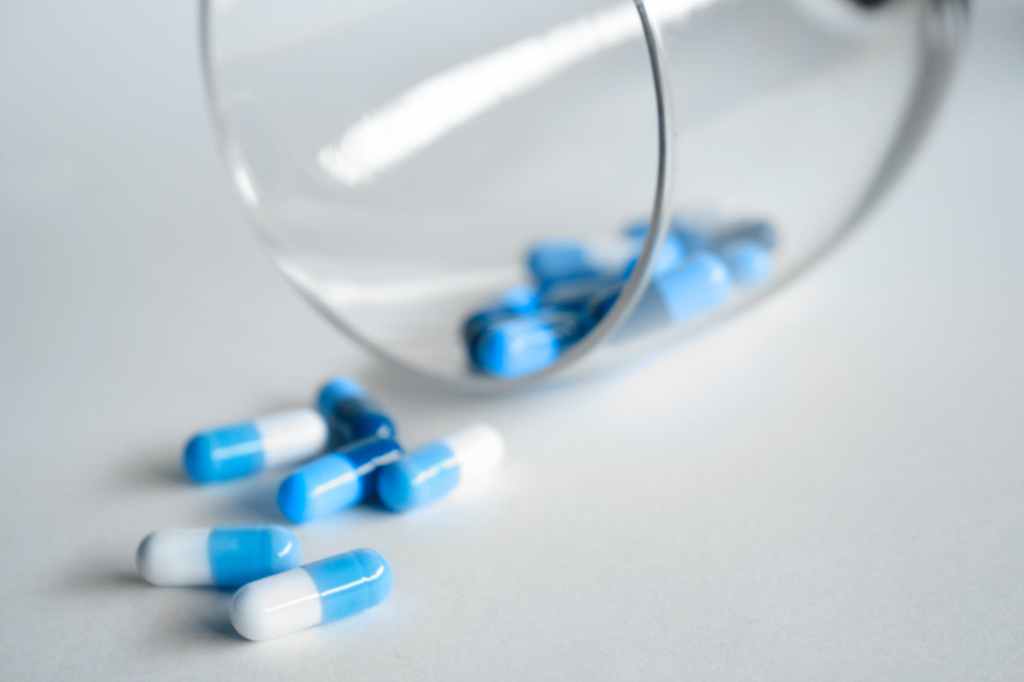
- Pain management: Over-the-counter pain relievers or prescription medications may help alleviate menstrual-related pain and discomfort.
- Hormonal therapy: In some cases, hormonal therapy, such as birth control pills, may help regulate hormone levels and reduce symptoms.
- Stress management: Stress can exacerbate fibromyalgia symptoms, so techniques such as relaxation exercises, mindfulness, or therapy may be beneficial.
- Healthy lifestyle: Eating a balanced diet, staying physically active, and getting enough sleep can help manage both fibromyalgia and menstrual symptoms.
It’s important to work with healthcare providers to develop a personalized treatment plan that addresses both fibromyalgia and menstrual symptoms.

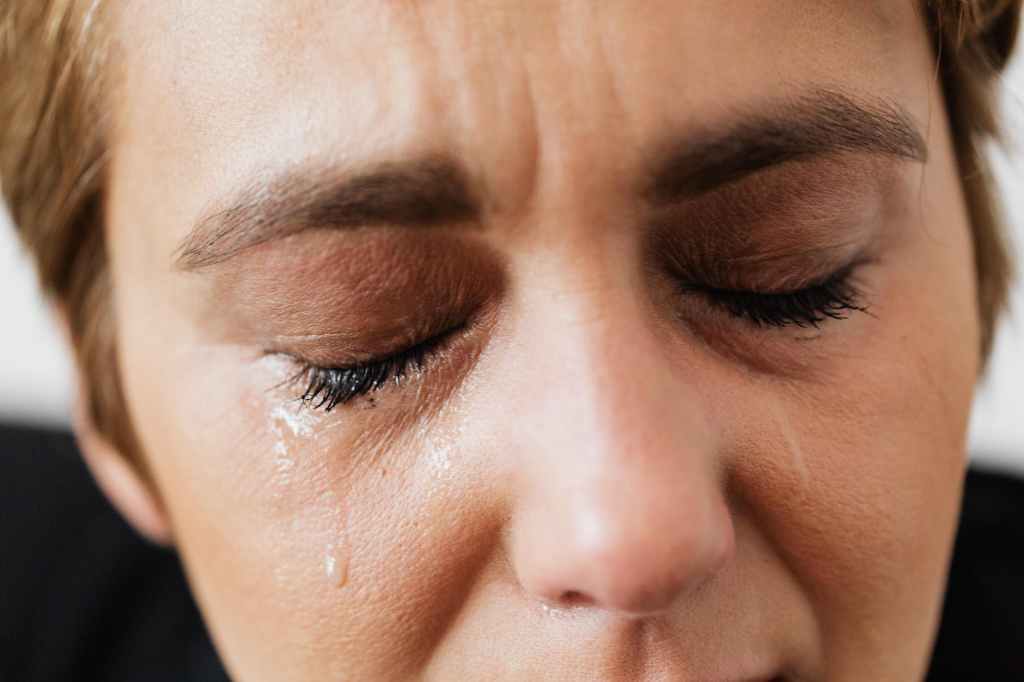

 The pain is real!
Leave a comment