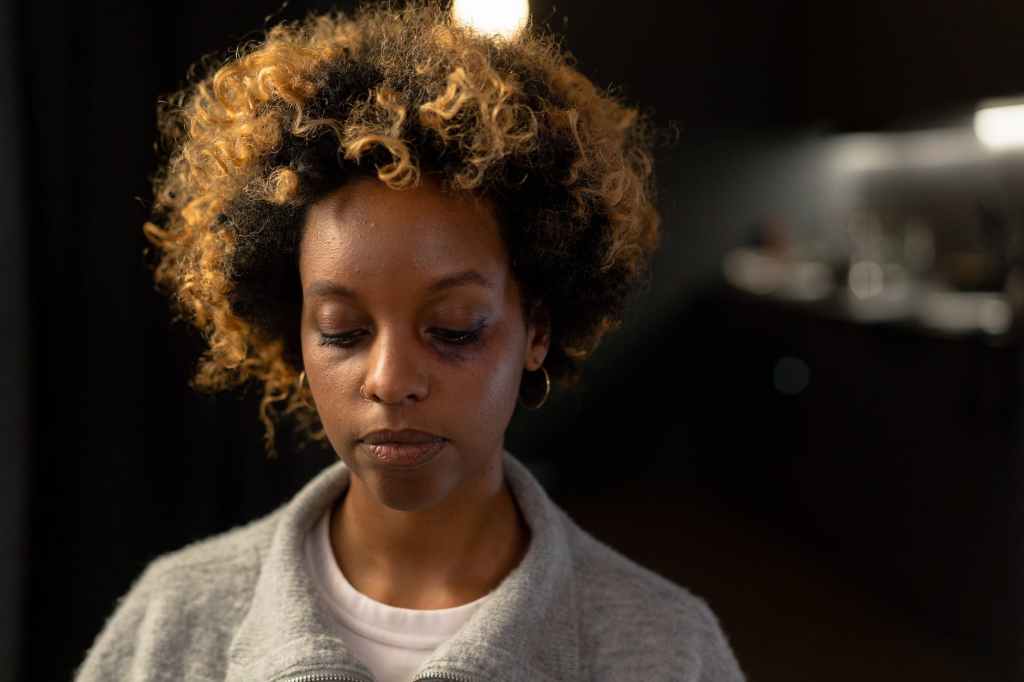
Childhood trauma can have profound and lasting impacts on an individual’s physical, emotional, and psychological well-being. These effects can persist into adulthood and affect various aspects of a person’s life. The impact of childhood trauma can vary depending on the severity of the trauma, the individual’s resilience, and the availability of support systems. Here are some of the ways in which childhood trauma can impact individuals:
- Emotional and Psychological Effects:
- Post-Traumatic Stress Disorder (PTSD): Trauma can lead to the development of PTSD, characterized by intrusive thoughts, nightmares, and heightened emotional arousal.
- Anxiety and Depression: Childhood trauma is linked to an increased risk of anxiety disorders and depression.
- Low Self-Esteem: Trauma can erode a person’s self-esteem and self-worth, leading to feelings of inadequacy and self-doubt.
- Emotional Dysregulation: Trauma survivors may struggle to regulate their emotions, leading to mood swings and difficulty managing stress.
- Behavioral Effects:
- Substance Abuse: People who experienced childhood trauma may turn to drugs or alcohol as a way to cope with their emotional pain.
- Self-Harm and Risky Behaviors: Trauma survivors may engage in self-destructive behaviors like self-harm or risky sexual practices.
- Eating Disorders: Trauma can contribute to the development of eating disorders like anorexia or bulimia.
- Aggression and Violence: Some individuals may become more prone to aggressive or violent behavior, especially if they were exposed to violence in childhood.
- Physical Health Effects:
- Chronic Health Conditions: There’s evidence to suggest that childhood trauma can increase the risk of chronic health problems such as heart disease, diabetes, and autoimmune disorders.
- Weakened Immune System: Trauma can weaken the immune system, making individuals more susceptible to illness.
- Cognitive Effects:
- Impaired Memory and Concentration: Trauma can affect cognitive functioning, leading to difficulties with memory, attention, and decision-making.
- Dissociation: Some trauma survivors experience dissociation, which is a disconnection from reality or one’s own body as a coping mechanism.
- Relationship and Social Impacts:
- Difficulty Trusting Others: Childhood trauma can make it challenging to trust others and form healthy, secure relationships.
- Repetition of Patterns: Some individuals may unconsciously repeat patterns of trauma in their adult relationships.
- Social Isolation: Trauma can lead to feelings of isolation and an inability to connect with others.
- Interference with Developmental Milestones: Trauma can disrupt a person’s normal development, impacting educational and career achievements.
- Interpersonal and Family Dynamics: Trauma can affect family dynamics, leading to dysfunctional relationships, including patterns of abuse or neglect.
It’s important to note that not everyone who experiences childhood trauma will develop these negative outcomes. Resilience, early intervention, and a supportive environment can mitigate the impact of trauma. Psychotherapy, such as trauma-focused therapy, can be highly effective in helping trauma survivors cope with their experiences and work towards healing and recovery. Additionally, understanding the effects of childhood trauma is crucial for society to develop policies and practices that support survivors and prevent further trauma.

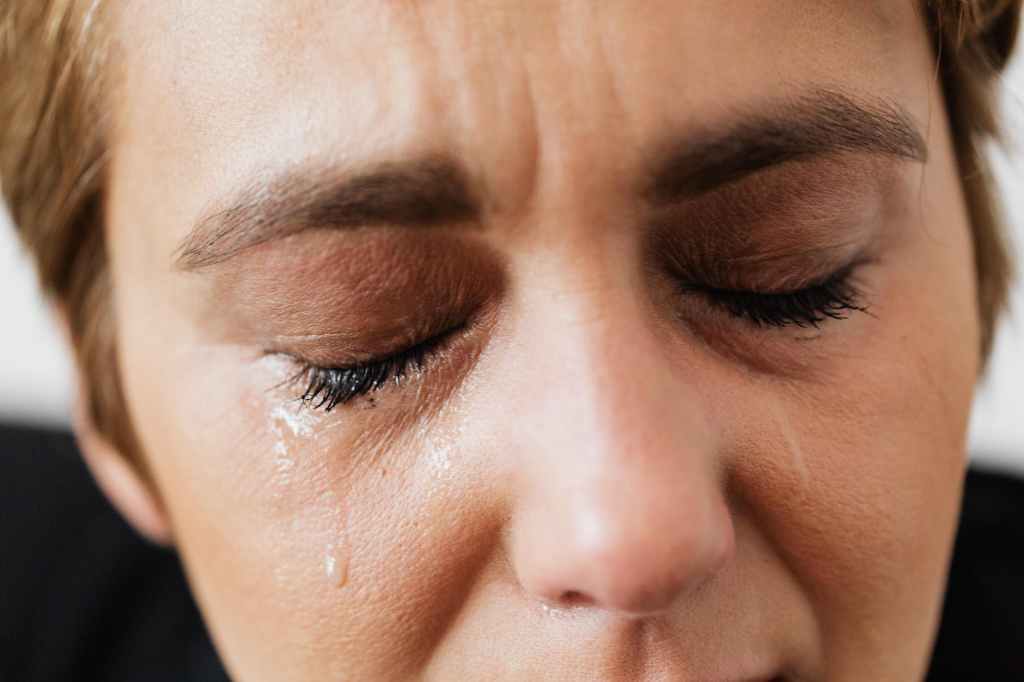


 The pain is real!
Leave a comment