
Trauma can have a profound impact on the body, affecting both physical and psychological well-being. Trauma refers to a distressing or disturbing event or series of events that can lead to physical, emotional, or psychological harm. Here’s how trauma can affect the body:
- Stress Response: When a person experiences trauma, the body’s stress response is activated. This response involves the release of stress hormones, such as cortisol and adrenaline, which prepare the body to react to a perceived threat. This can lead to physical symptoms like increased heart rate, rapid breathing, and heightened alertness.
- Long-Term Stress: Prolonged or repeated exposure to trauma can result in chronic stress, which can lead to a range of physical health problems. These may include high blood pressure, cardiovascular issues, and a weakened immune system. Chronic stress can also contribute to the development of various illnesses.
- Neurological Changes: Trauma can cause structural and functional changes in the brain. The brain regions responsible for emotional regulation, memory, and decision-making can be affected. This can lead to symptoms such as anxiety, depression, and difficulties with impulse control.
- Emotional and Psychological Impact: Trauma can result in a wide range of emotional and psychological responses, including anxiety disorders, post-traumatic stress disorder (PTSD), and depression. These conditions can have physical symptoms as well, such as sleep disturbances, changes in appetite, and fatigue.
- Somatic Symptoms: Trauma can manifest in physical symptoms without any apparent medical cause. These are often referred to as somatic symptoms and may include chronic pain, gastrointestinal issues, and headaches. These symptoms can be a result of the body’s response to chronic stress and emotional distress.
- Altered Nervous System: Trauma can impact the autonomic nervous system, leading to changes in the balance between the sympathetic (fight-or-flight) and parasympathetic (rest-and-digest) systems. This can result in difficulties with self-regulation, increased arousal, and emotional dysregulation.
- Dissociation: In response to overwhelming trauma, some individuals may experience dissociation, where they feel disconnected from their bodies or reality. This can lead to a range of physical symptoms and impairments in sensory perception.
- Substance Abuse: Some individuals may turn to substance abuse as a coping mechanism in response to trauma, which can have further negative effects on the body.
It’s important to note that individuals respond to trauma differently, and the impact can vary depending on the nature and severity of the trauma, as well as a person’s resilience and support systems. Seeking professional help, such as therapy and counseling, can be essential for those who have experienced trauma to address both the psychological and physical effects and work toward healing and recovery.

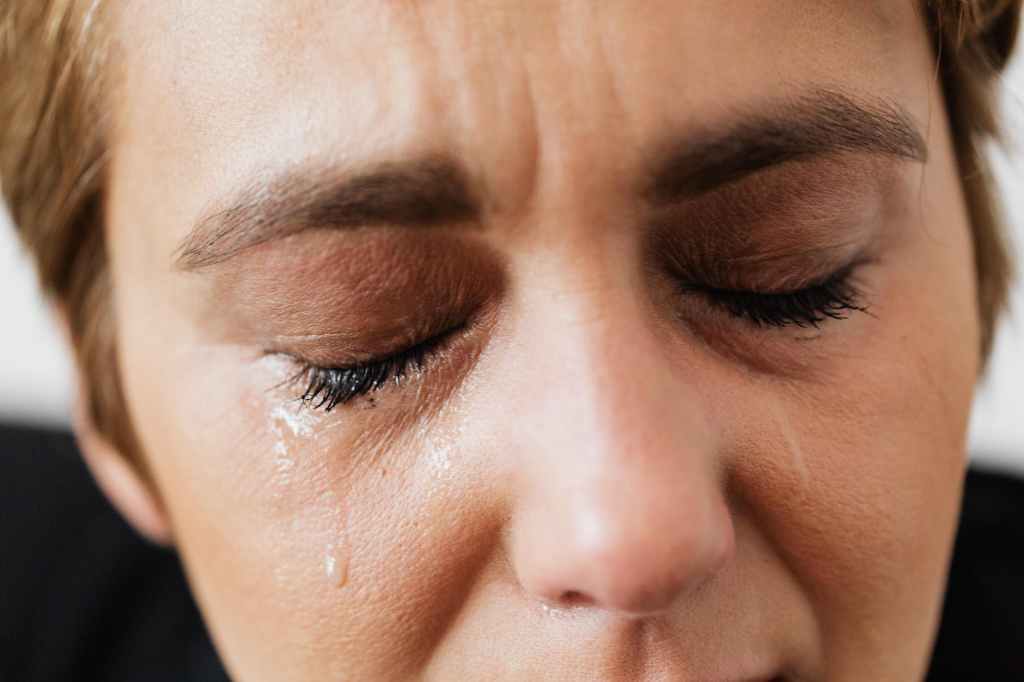


 The pain is real!
Leave a comment