
Fibromyalgia is a chronic pain condition that affects people of all genders, but it is more commonly diagnosed in women. While fibromyalgia can occur in men, it is estimated that women are about twice as likely to develop the condition. Here are some key points to understand about women and fibromyalgia:
- Prevalence: Fibromyalgia affects approximately 2-4% of the population, and it is more prevalent in women than in men. The reasons for this gender disparity are not entirely clear but may involve hormonal, genetic, and societal factors.
- Diagnosis: Diagnosing fibromyalgia can be challenging because it is based on clinical symptoms, such as widespread pain, tender points, and other associated symptoms like fatigue and sleep disturbances. These symptoms can be more common or pronounced in women.
- Impact on Women: Fibromyalgia can have a significant impact on a woman’s life. It often leads to chronic pain, fatigue, and cognitive difficulties, which can interfere with daily activities, work, and quality of life.
- Co-occurring Conditions: Women with fibromyalgia often have other conditions that are more common in females, such as irritable bowel syndrome, migraines, and endometriosis. These conditions can sometimes overlap or exacerbate fibromyalgia symptoms.
- Hormonal Factors: Some researchers have explored the role of hormonal factors in fibromyalgia. Hormonal changes, such as those that occur during menstruation, pregnancy, and menopause, may influence symptom severity in some women.
- Treatment: There is no cure for fibromyalgia, but treatment aims to manage symptoms and improve quality of life. Treatment options include medications, physical therapy, lifestyle changes, and counseling. Women may need a tailored approach to address their unique needs and challenges.
- Emotional and Psychological Impact: Living with a chronic condition like fibromyalgia can be emotionally challenging. Women, in particular, may face additional stressors related to societal expectations and caregiving responsibilities.
- Support and Advocacy: Support groups and advocacy organizations can be valuable resources for women with fibromyalgia. Connecting with others who have similar experiences can provide emotional support and practical advice.

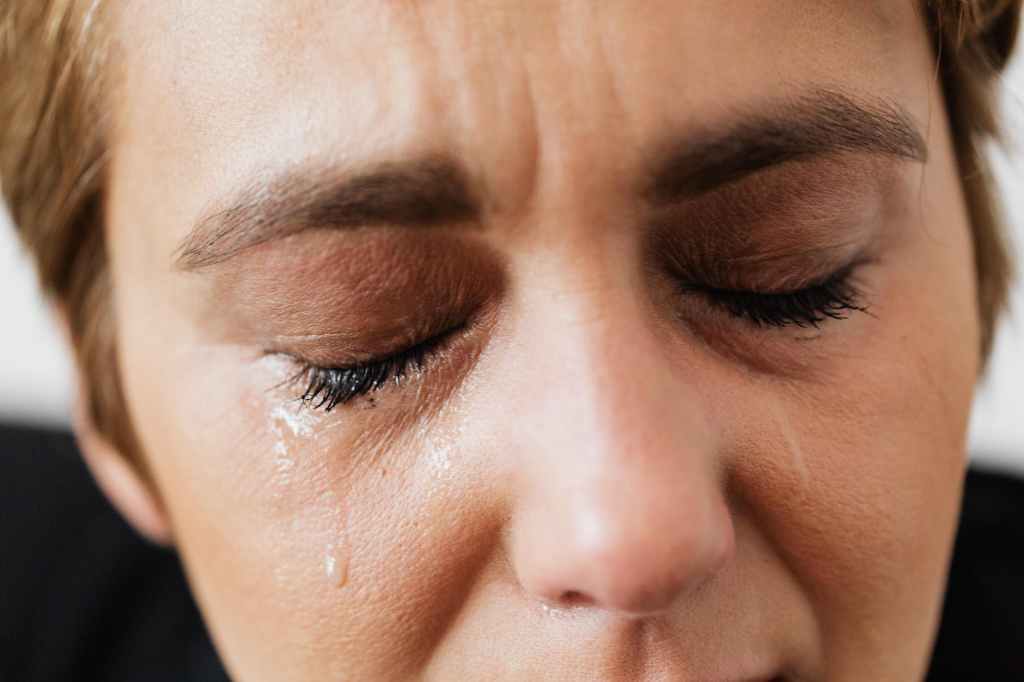


 The pain is real!
Leave a comment