
Fibromyalgia and arthritis are two distinct conditions, but they can sometimes coexist in the same individual, and the symptoms of one can exacerbate the symptoms of the other. Here’s how fibromyalgia can potentially exacerbate arthritis:
- Increased Pain Perception: Fibromyalgia is characterized by widespread pain, tenderness, and heightened pain perception. When someone with fibromyalgia also has arthritis, the pain signals from arthritis can be amplified by the hypersensitivity to pain associated with fibromyalgia. This means that the pain experienced from arthritis can feel more intense and overwhelming.
- Fatigue: Fibromyalgia often leads to chronic fatigue and sleep disturbances, which can worsen the symptoms of arthritis. Fatigue can make it more challenging for individuals to manage their arthritis symptoms, including joint pain and stiffness, and can limit their ability to engage in physical activities that might help alleviate arthritis symptoms.
- Mood and Stress: Fibromyalgia is frequently associated with mood disorders such as depression and anxiety. Arthritis can also have a significant impact on a person’s mental health. When these conditions coexist, the emotional and psychological distress associated with fibromyalgia can exacerbate the emotional burden of arthritis, leading to a vicious cycle of pain and negative emotions.
- Reduced Physical Activity: Due to the pain and fatigue associated with fibromyalgia, individuals may become more sedentary, which can lead to deconditioning and reduced muscle strength. This lack of physical activity can worsen the joint symptoms of arthritis, as maintaining joint mobility and strength is important for managing arthritis effectively.
- Overlapping Symptoms: Fibromyalgia and arthritis share some common symptoms, such as joint pain and fatigue. This can make it difficult for both the individual and their healthcare provider to differentiate between the two conditions and may lead to delayed or incorrect diagnoses and treatment approaches.

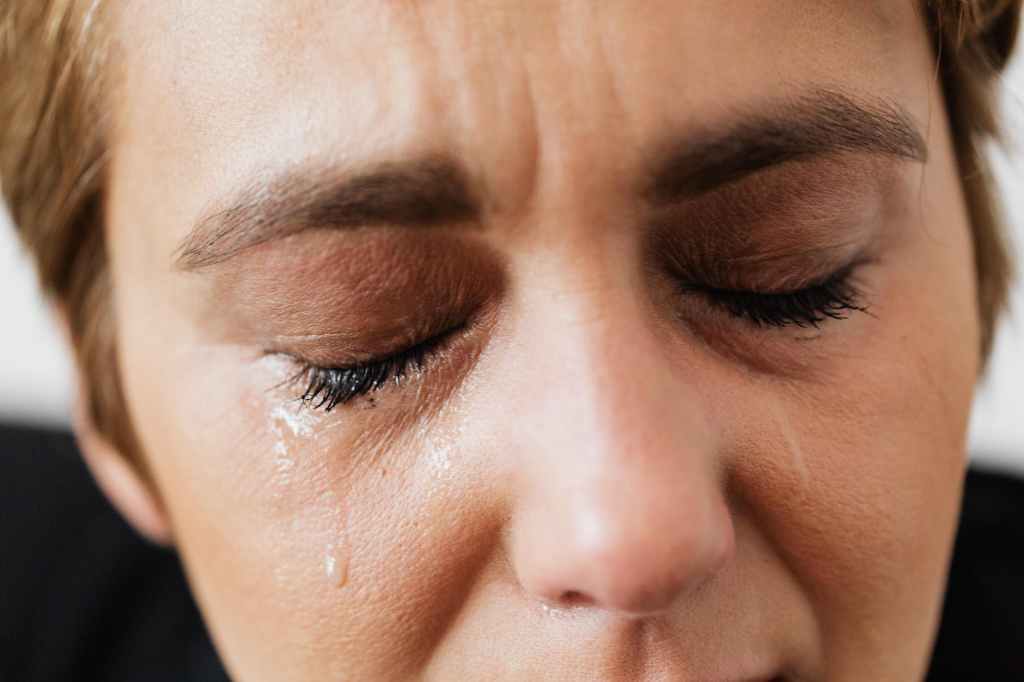


 The pain is real!
Leave a comment