
“If you have a wife with a chronic illness and you refer to doing things with your kids as helping her, you’ve got it wrong. If you are a father, everything you do for your children is not a favor to their mother; it’s your responsibility.”
“If you have a husband who won’t clean the house or take care of the kids, even when you are struggling, reduce your stress by considering cutting him out of your love life. If you have to do everything, then you can handle it on your own, girl!”
Having an equal partner is especially important when one person in a relationship has a chronic illness for several significant reasons:
- Support and Understanding: A chronic illness can be physically and emotionally challenging for the person experiencing it. An equal partner offers support and understanding, both in terms of practical assistance and emotional comfort. They can empathize with the challenges and be there to provide encouragement and a listening ear.
- Shared Responsibilities: Chronic illnesses can limit the abilities of the person affected, making it difficult to perform everyday tasks. An equal partner can step in to help with household chores, childcare, and other responsibilities. This sharing of responsibilities can alleviate the burden on the person with the illness and promote a sense of teamwork in the relationship.
- Improved Quality of Life: An equal partner can contribute to a higher quality of life for the person with the chronic illness. They can help ensure that the person receives the necessary medical care, manages their medications, and maintains a healthy lifestyle. This can lead to better health outcomes and a more comfortable life for the person with the illness.
- Emotional Well-Being: Chronic illnesses often come with emotional challenges such as stress, anxiety, and depression. An equal partner can offer emotional support and be a source of comfort during difficult times. Their presence and understanding can help alleviate feelings of isolation and despair.
- Relationship Equity: Equality in a relationship is crucial for its overall health and longevity. When one partner is burdened with the majority of responsibilities due to a chronic illness, it can create resentment and strain in the relationship. An equal partner ensures that the relationship remains balanced and that both individuals feel valued and respected.
- Reducing Caregiver Burnout: In some cases, a partner may become a caregiver for the person with a chronic illness. This role can be physically and emotionally demanding. Having an equal partner who shares caregiving responsibilities can help prevent caregiver burnout and maintain the caregiver’s own well-being.
- Strengthened Bond: Going through the challenges of a chronic illness together can strengthen the bond between partners. It can foster a sense of unity and resilience as they navigate the ups and downs of the illness as a team.
In summary, having an equal partner when one person has a chronic illness is essential for maintaining a healthy and supportive relationship. It ensures that both partners can share the challenges and responsibilities, leading to improved emotional well-being, a higher quality of life, and a stronger bond between them.

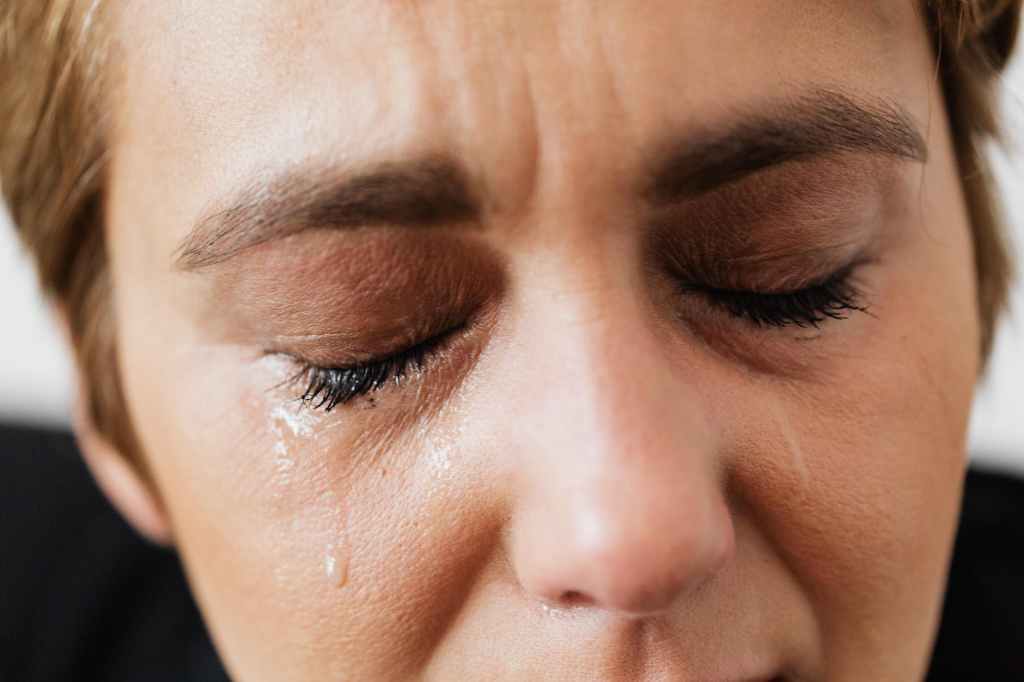


 The pain is real!
Leave a comment