
Fibromyalgia and menopause are two distinct medical conditions that can affect women, and they can sometimes intersect in terms of their symptoms and impact on overall health. Let’s discuss each condition separately and then explore how they can relate to each other:
- Fibromyalgia:
- Definition: Fibromyalgia is a chronic pain condition characterized by widespread musculoskeletal pain, fatigue, sleep disturbances, and tender points in various parts of the body.
- Symptoms: Common symptoms of fibromyalgia include pain and stiffness, fatigue, sleep disturbances (such as insomnia or non-restorative sleep), headaches, cognitive difficulties (often referred to as “fibro fog”), and mood disorders (such as depression and anxiety).
- Causes: The exact cause of fibromyalgia is not fully understood, but it is believed to involve a combination of genetic, environmental, and neurobiological factors.
- Menopause:
- Definition: Menopause is a natural biological process that marks the end of a woman’s reproductive years. It is typically diagnosed when a woman has gone 12 consecutive months without a menstrual period.
- Symptoms: Menopause is associated with a range of symptoms, including hot flashes, night sweats, mood swings, vaginal dryness, changes in libido, and sleep disturbances.
- Causes: Menopause occurs as a result of hormonal changes, primarily a decrease in the production of estrogen and progesterone by the ovaries as a woman ages.
Now, let’s explore the relationship between fibromyalgia and menopause:
- Hormonal Influence: Some women with fibromyalgia report that their symptoms worsen or become more pronounced during menopause. This suggests that hormonal changes associated with menopause, particularly the decline in estrogen levels, may play a role in exacerbating fibromyalgia symptoms. Estrogen has known effects on pain perception and can influence the nervous system’s sensitivity to pain.
- Overlapping Symptoms: Both fibromyalgia and menopause can share common symptoms, such as sleep disturbances and mood changes. This overlap in symptoms can make it challenging to differentiate between the two conditions or to determine if one is exacerbating the other.
- Treatment Considerations: When managing fibromyalgia in women going through menopause, healthcare providers may need to consider both conditions in the treatment plan. Hormone replacement therapy (HRT), which can alleviate some menopausal symptoms, may also impact fibromyalgia symptoms. However, the use of HRT should be carefully considered, as it has its own set of potential risks and benefits.
- Individual Variability: It’s important to note that not all women with fibromyalgia will experience worsening symptoms during menopause, and the impact of menopause on fibromyalgia symptoms can vary widely from person to person.
In summary, while fibromyalgia and menopause are distinct conditions, they can interact in complex ways due to the hormonal changes associated with menopause and the potential overlap in symptoms. Women experiencing both conditions should work closely with their healthcare providers to develop a tailored treatment plan that addresses their unique needs and concerns.

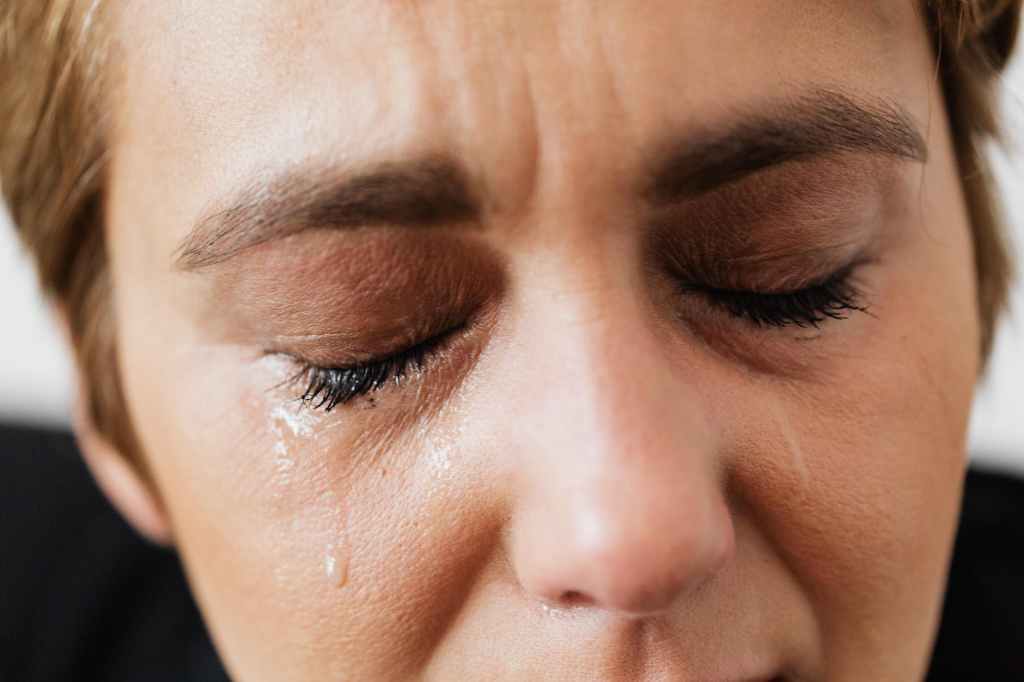


 The pain is real!
Leave a comment